Be yourself; Everyone else is already taken.
— Oscar Wilde.
This is the first post on my new blog. I’m just getting this new blog going, so stay tuned for more. Subscribe below to get notified when I post new updates.
Be yourself; Everyone else is already taken.
— Oscar Wilde.
This is the first post on my new blog. I’m just getting this new blog going, so stay tuned for more. Subscribe below to get notified when I post new updates.
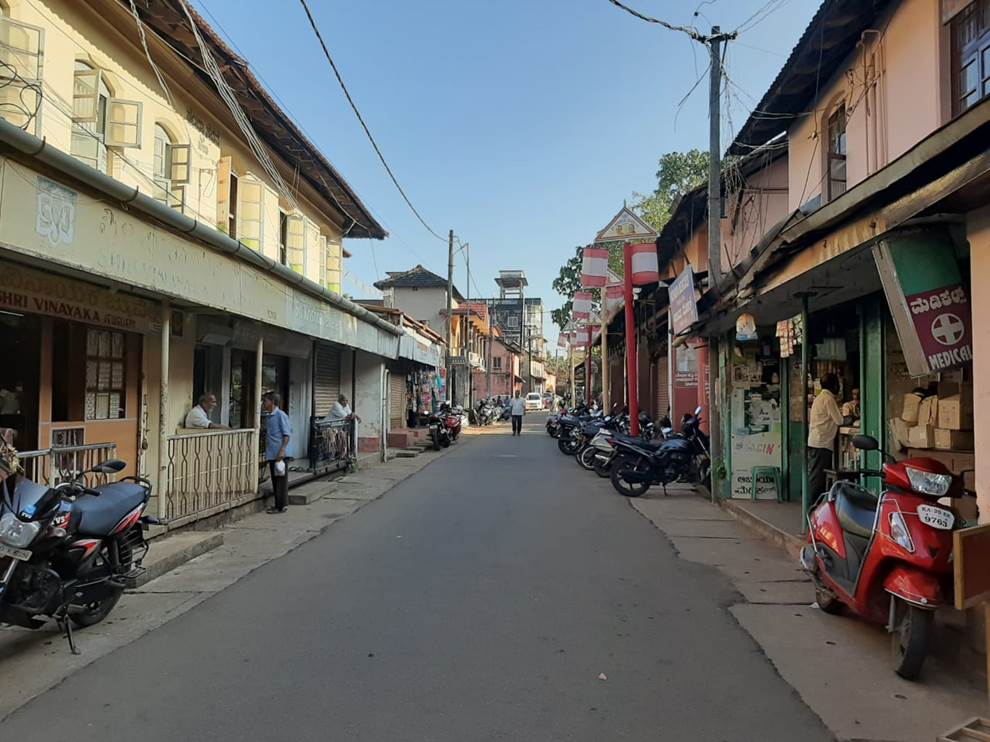
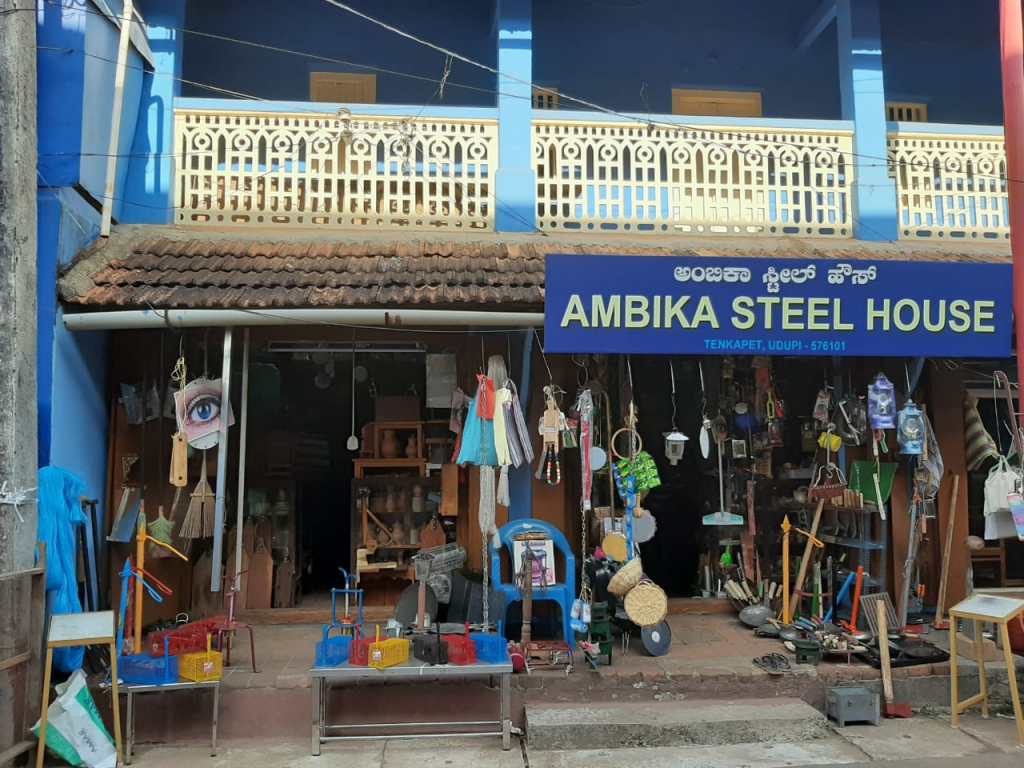
The street has one of the oldest jewelry shops and steel shops which depict how the temple setting helped in evolution of commercial activities around the temple.
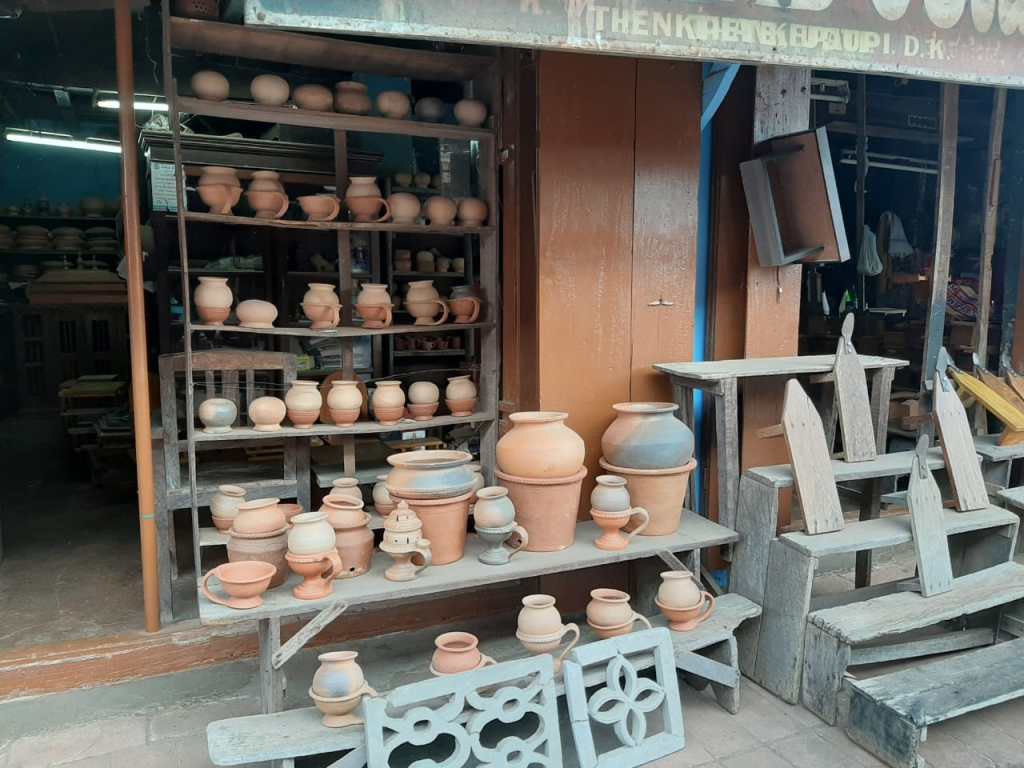
The shopping setups are 20 – 30 years old while the built form dates back to more than 60 years.Shops extend into the street with the articles displayed on the shop plinths.
The street has vibrant colors and numerous sound which stimulate the visual and other senses.
The street has a high pedestrian activity along with 2 and 3 wheeler movement up to the gate that marks the entrance to the ratha beedhi premises. In comparison with the the other five streets that lead to the ratha beedhi, the street is much wider, coping for various kinds of social and financial interactions also permitted by the various interface spaces recognized from our documentation.
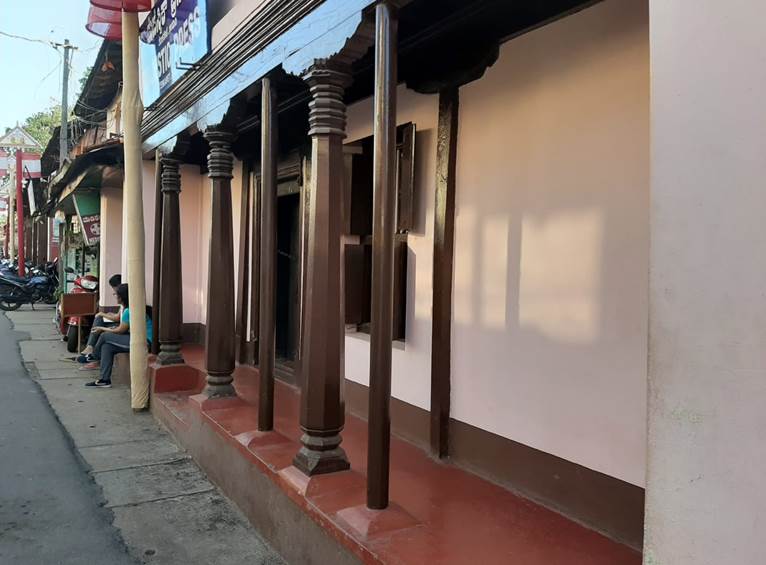

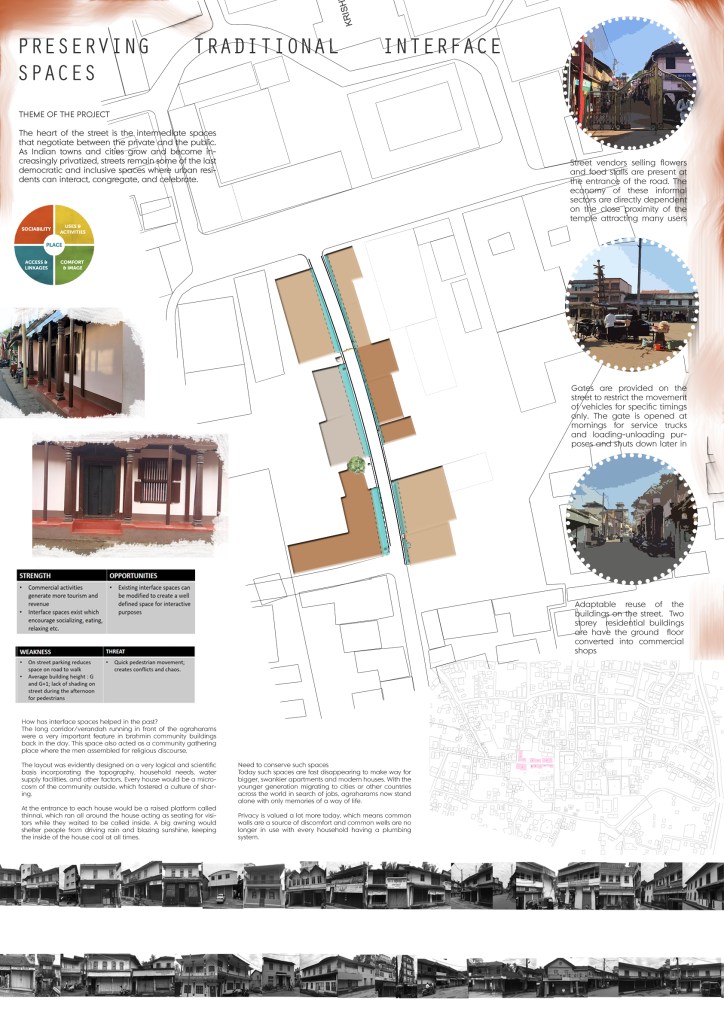
How has interface spaces helped in the past?
The long corridor/verandah running in front of the agraharams were a very important feature in brahmin community buildings back in the day. This space also acted as a community gathering place where the men assembled for religious discourse.
The layout was evidently designed on a very logical and scientific basis incorporating the topography, household needs, water supply facilities, and other factors. Every house would be a microcosm of the community outside, which fostered a culture of sharing.
At the entrance to each house would be a raised platform called thinnai, which ran all around the house acting as seating for visitors while they waited to be called inside. A big awning would shelter people from driving rain and blazing sunshine, keeping the inside of the house cool at all times.
Need to conserve such spaces
Today such spaces are fast disappearing to make way for bigger, swankier apartments and modern houses. With the younger generation migrating to cities or other countries across the world in search of jobs, agraharams now stand alone with only memories of a way of life.
Privacy is valued a lot more today, which means common walls are a source of discomfort and common wells are no longer in use with every household having a plumbing system.
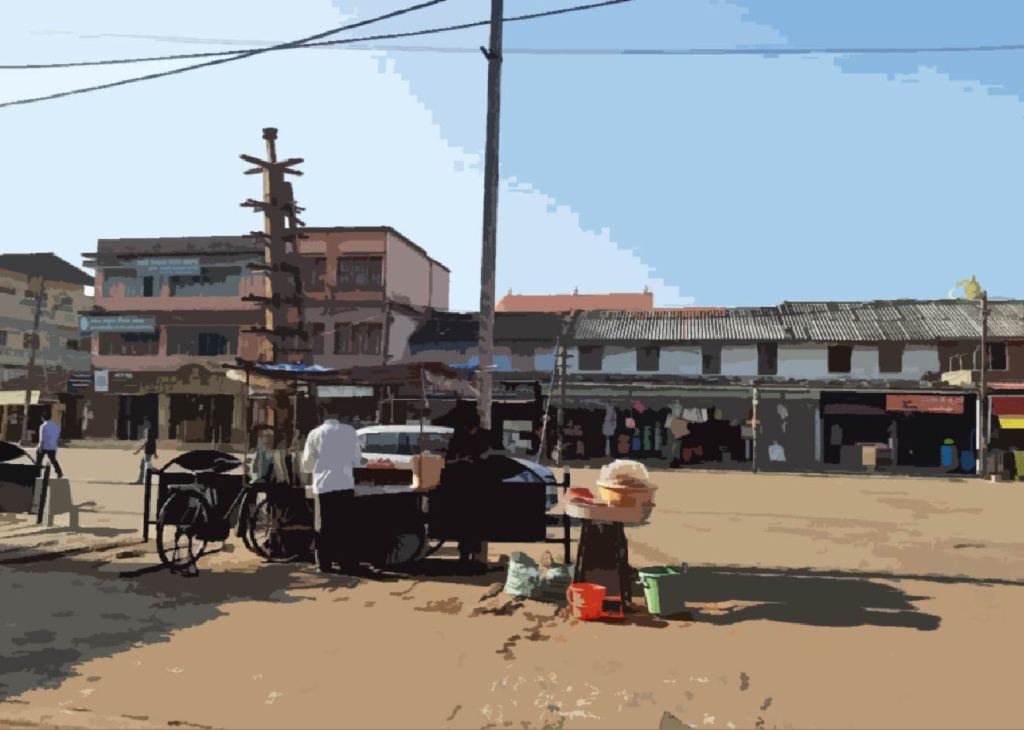
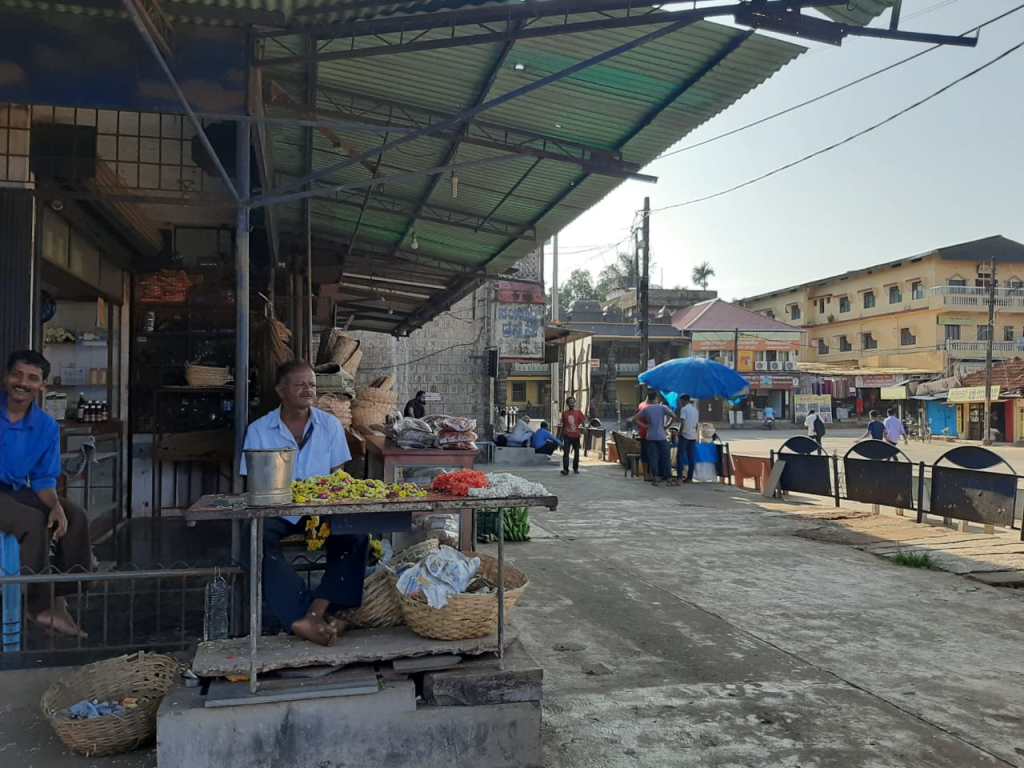
The expenses of Udupi Krishna Matha are borne by the voluntary contribution of devotees and by Ashta matha’s which manage the Krishna mutt. The contribution may be in cash or kind.
The street begins to witness people at 4am as daily prayers begin with the blowing of a conch shell.
Rathbeedi in Udupi is a circular road surrounded by temples. At the centre stands the Chandramauleshwar temple and the Ananteshwara temple, the road runs around these temple and forms an oval – circular track. The Udupi Krishna Mutt, the Raghavendra Swami Mutt, various other mutts, shops and hotels are situated along the outer circumference of the road.
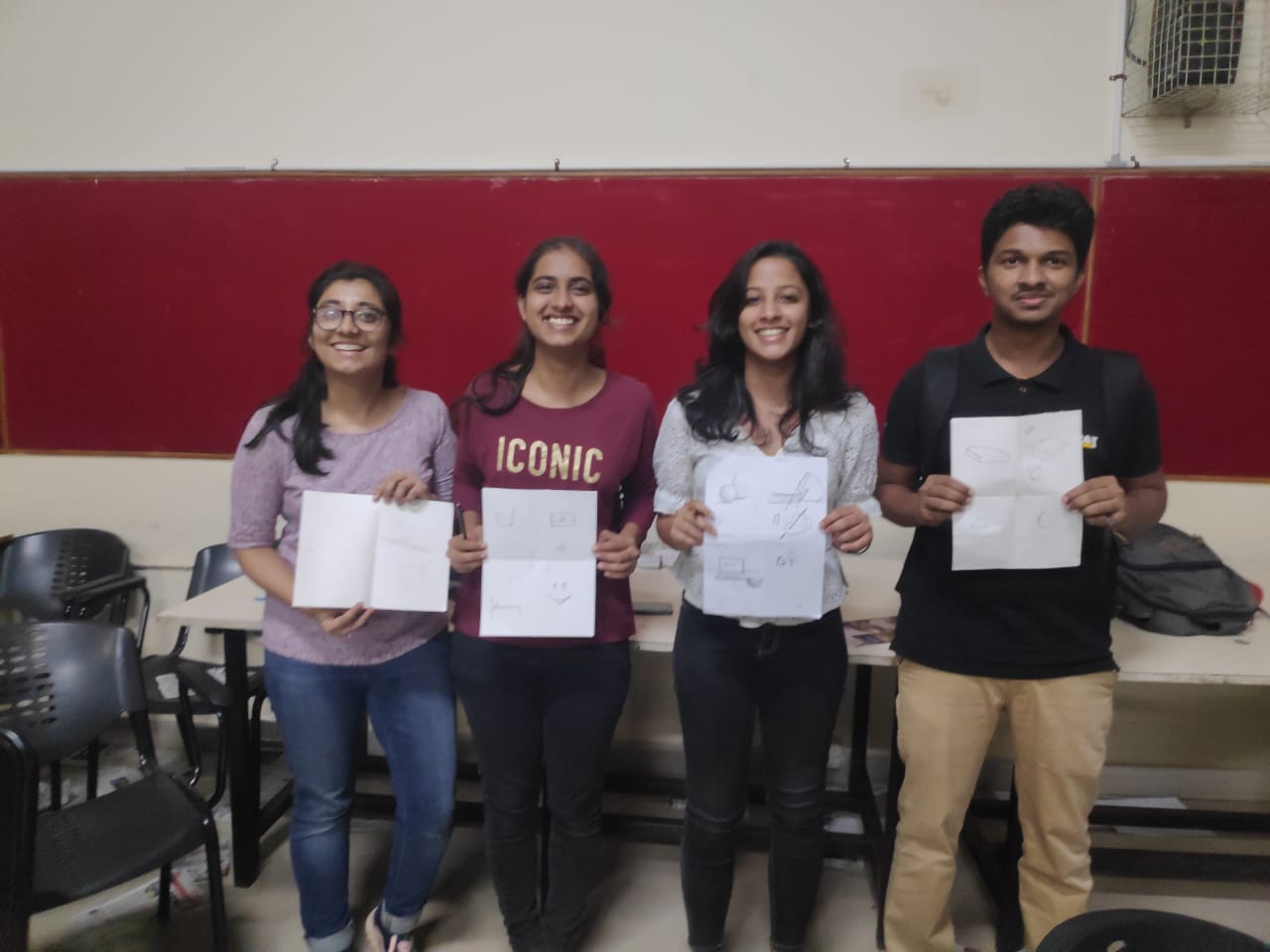
Today’s Conservation studies class was really different from our usual boring lectures for electives. The mail sent to us with the requirements had got us all really curious about what Ma’am had planned for the class. We started off with being asked to form a circle, which really turned out to be an ellipse, and so that was our first failure as a class. After which we formed an almost perfect circle and the task was for us to hold one palm open and the other one with our index finger placed on the palm of the person sitting next to us. Further, we were asked to grab the finger of the person next to us and make sure our other finger was not caught by the person sitting next to us, simultaneously. It was an interesting and pretty difficult task, to be honest. Some of us failed and the others succeeded in completing the task. We the got divided into groups of 5-6 and after which we were given 2 words and express the same with two models and newspaper with our own creative minds.
As a group we discussed on what we wanted to do, and settled on portraying aesthetics through symmetry. Our two models were dressed exactly the same and represented the twin towers.
The second word given to us was ‘element’. For this we decided to choose one of the primary and most important element to support a structure which are columns and arches. To represent a true arch, we used newspaper to show the keystone and the abutment on the columns. The simple exercise taught us so much on teamwork and getting creative within a time constraint. As a group, we’re really looking forward to our next class and to more tasks like these rather than the long lecture which we usually have to attend to.
This is an example post, originally published as part of Blogging University. Enroll in one of our ten programs, and start your blog right.
You’re going to publish a post today. Don’t worry about how your blog looks. Don’t worry if you haven’t given it a name yet, or you’re feeling overwhelmed. Just click the “New Post” button, and tell us why you’re here.
Why do this?
The post can be short or long, a personal intro to your life or a bloggy mission statement, a manifesto for the future or a simple outline of your the types of things you hope to publish.
To help you get started, here are a few questions:
You’re not locked into any of this; one of the wonderful things about blogs is how they constantly evolve as we learn, grow, and interact with one another — but it’s good to know where and why you started, and articulating your goals may just give you a few other post ideas.
Can’t think how to get started? Just write the first thing that pops into your head. Anne Lamott, author of a book on writing we love, says that you need to give yourself permission to write a “crappy first draft”. Anne makes a great point — just start writing, and worry about editing it later.
When you’re ready to publish, give your post three to five tags that describe your blog’s focus — writing, photography, fiction, parenting, food, cars, movies, sports, whatever. These tags will help others who care about your topics find you in the Reader. Make sure one of the tags is “zerotohero,” so other new bloggers can find you, too.

 Bell the cat